
 Talk to usTalk to us
Engineering deep-dives, architecture decisions and the reasoning behind them.

Four clocks touch every reading and nobody decided which one counts. What that costs, how much accuracy each use actually needs, and the short list of decisions that fixes it for good.
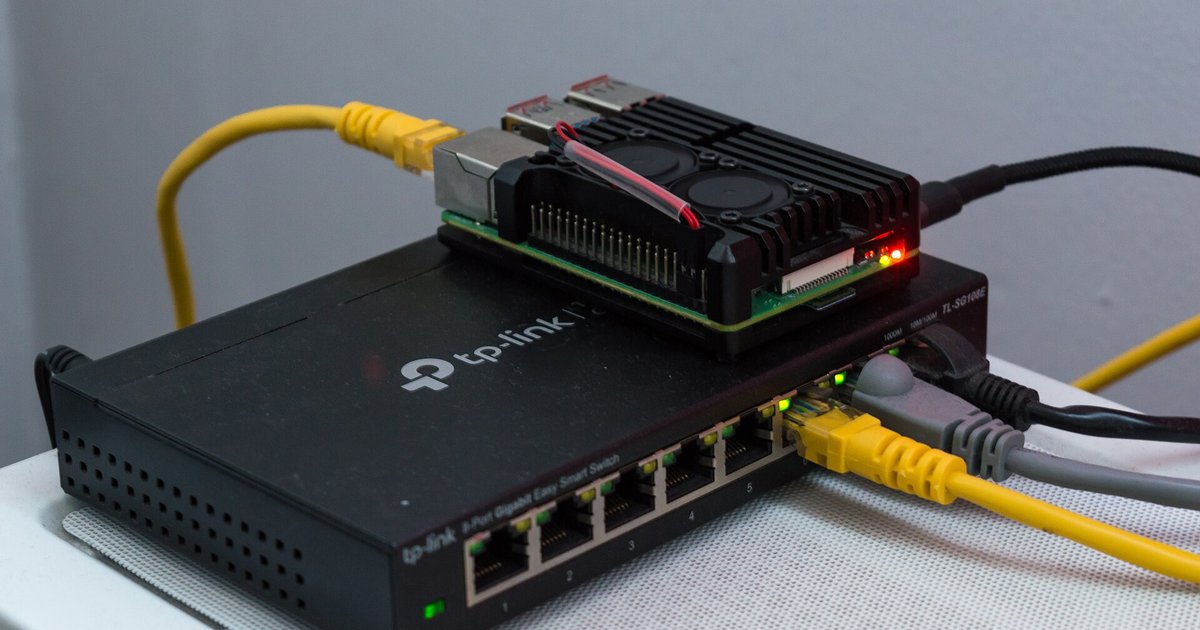
The link will fail. Whether that costs you an inconvenience or a hole in the record comes down to how the gateway buffers, what it drops first, and how politely it drains when the connection returns.
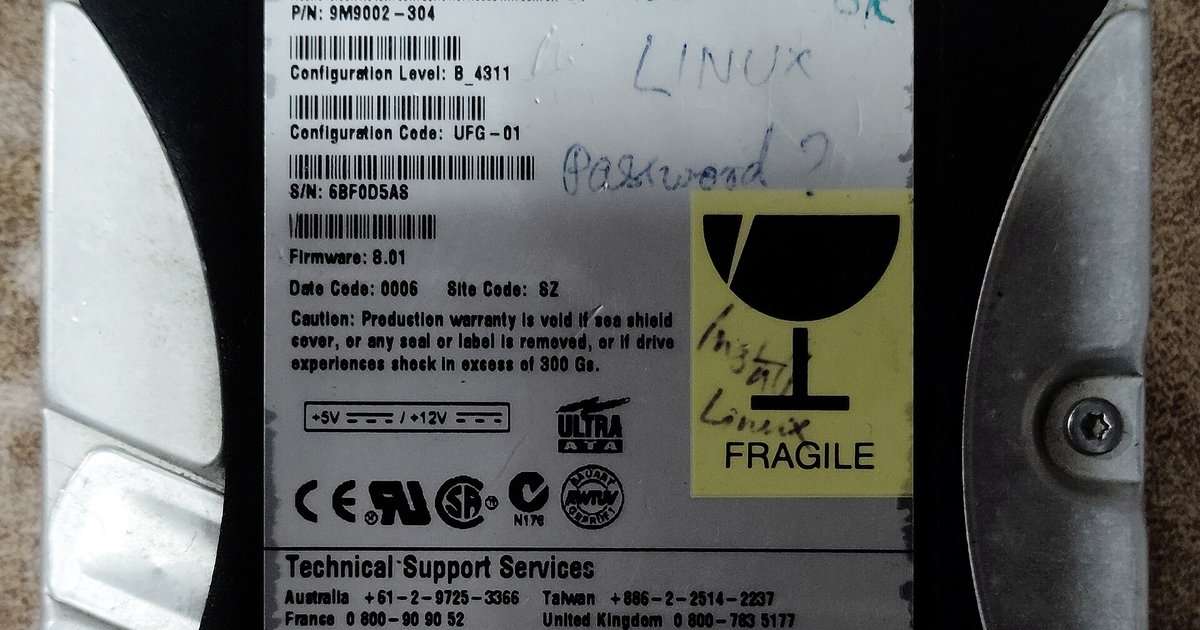
Retention is usually decided by whatever the historian defaulted to, which is the wrong way round. What the questions you will ask later actually require, and where downsampling destroys the answer.

An alarm system that produces more signals than a person can act on has not made the plant safer; it has trained the control room to stop reading. What goes wrong, and the specific fixes that reverse it.

The headline accuracy figure is the least informative number on the page. What the conditions clause is doing, why drift usually matters more than accuracy, and the specifications that are absent on purpose.
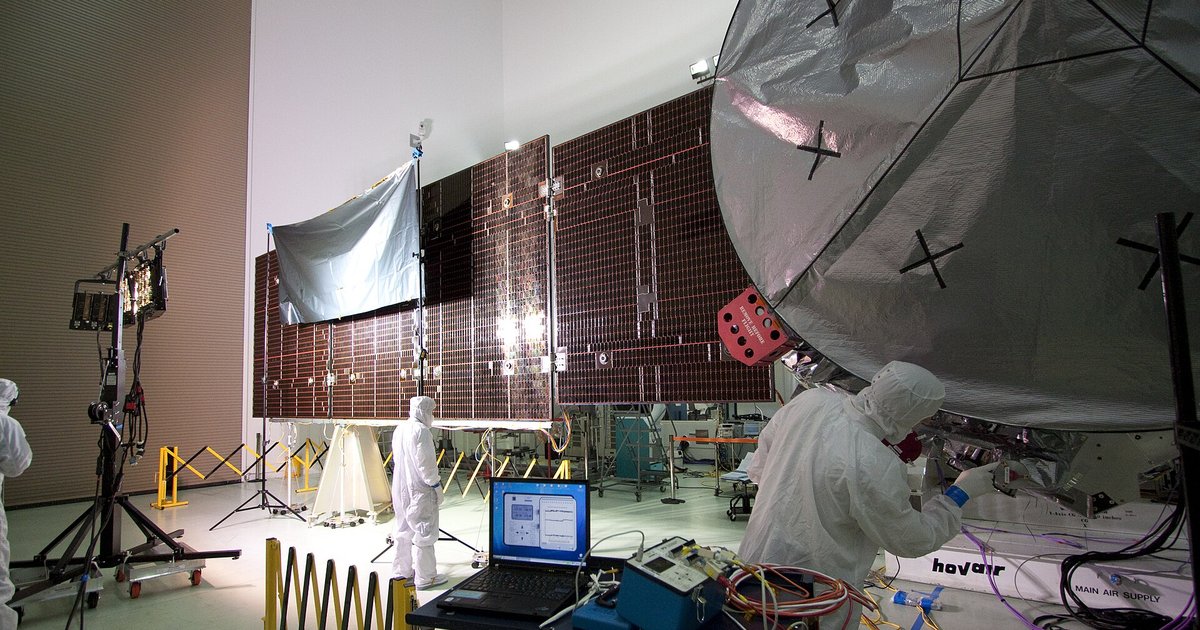
When a service call costs more than the device, every design decision changes. Power, communications, failure modes and diagnosis all get re-argued from the assumption that nobody is coming.

A temperature logger records data. A compliant cold chain produces evidence, which is a different and much harder thing. What the record has to survive, where designs usually fail an audit, and how to build one that does not.

Running containers on an industrial gateway solves real problems and creates a new class of them. What genuinely improves, what quietly becomes your responsibility, and the decisions worth making before the first deployment rather than after.

The regulation is often summarised as security requirements for connected devices, which is true and not actionable. What it actually obliges a manufacturer to build, to document, to report and to keep doing for years after the sale.
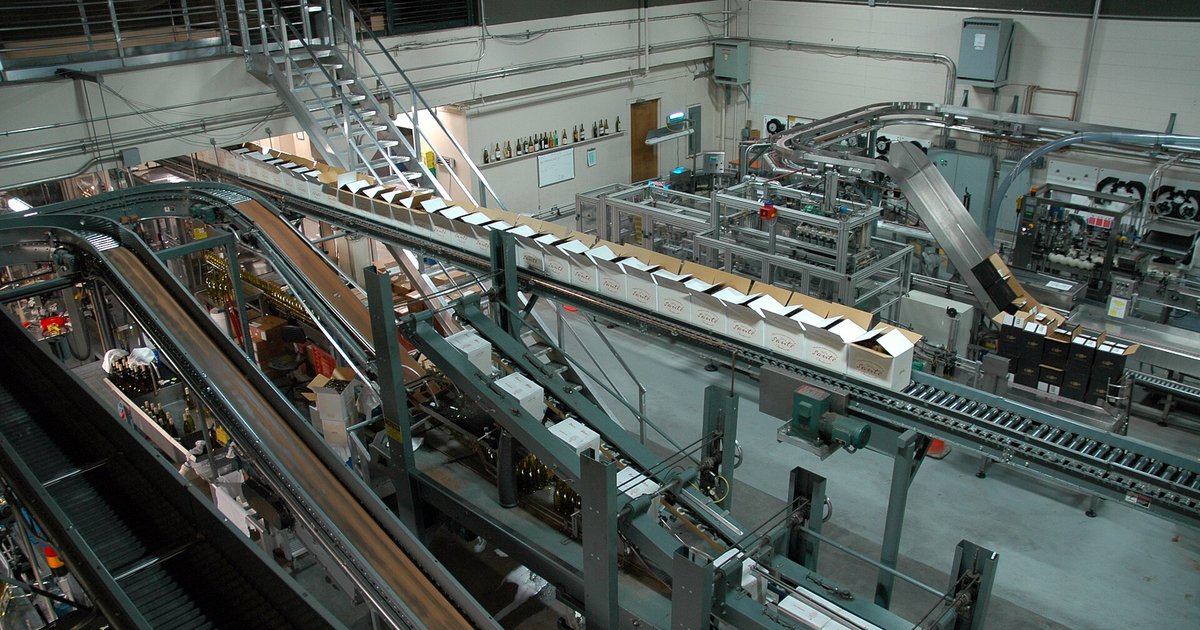
Almost every disappointing inspection deployment fails for the same handful of reasons, and none of them are the model. What changes between the demonstration and the running line, and how to design so that it does not matter.

The technology works in the demonstration and disappoints in the plant, and the reasons are consistent enough to plan around. What the pilot proved, what it did not, and the failure modes that only appear at fleet scale.

The comparison is usually argued on throughput, which is the one specification that rarely decides it. What separates the two in practice is who owns the spectrum, how the network behaves at the edge of coverage, and what happens when a device roams.
Tell us what you're building and we'll help you scope the first deployment.