
 Talk to usTalk to us
Engineering deep-dives, architecture decisions and the reasoning behind them.
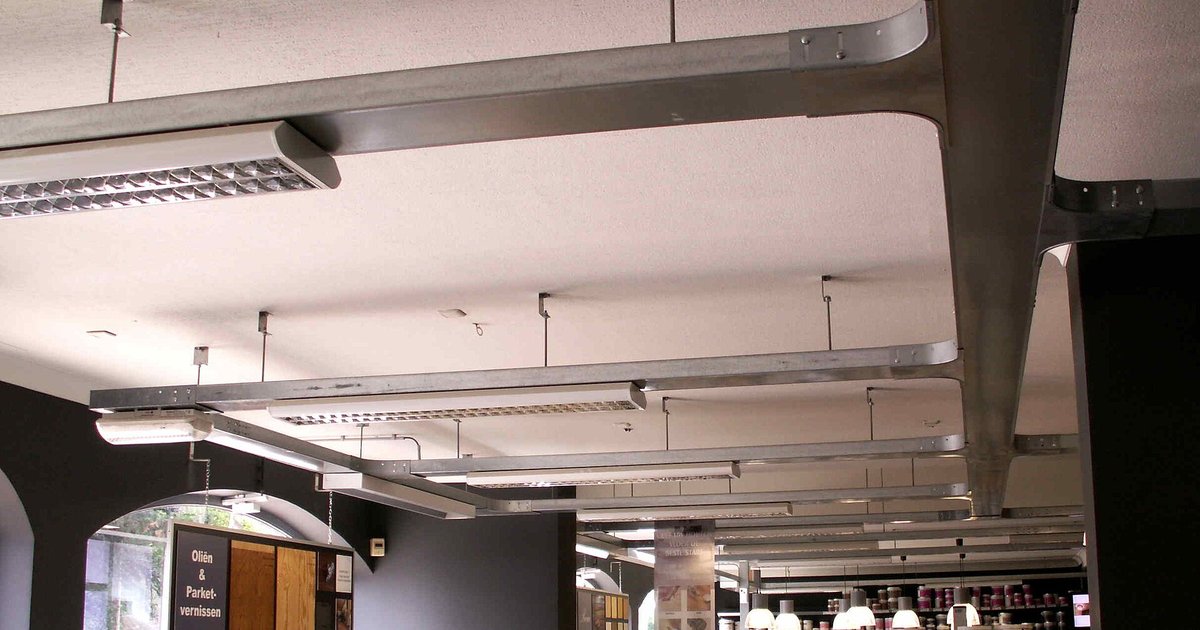
Cable gets specified by conductor size and then installed in a drag chain, buried in a duct with a drive cable, or pulled round a corner tighter than its bend radius. Each of those has a number attached.
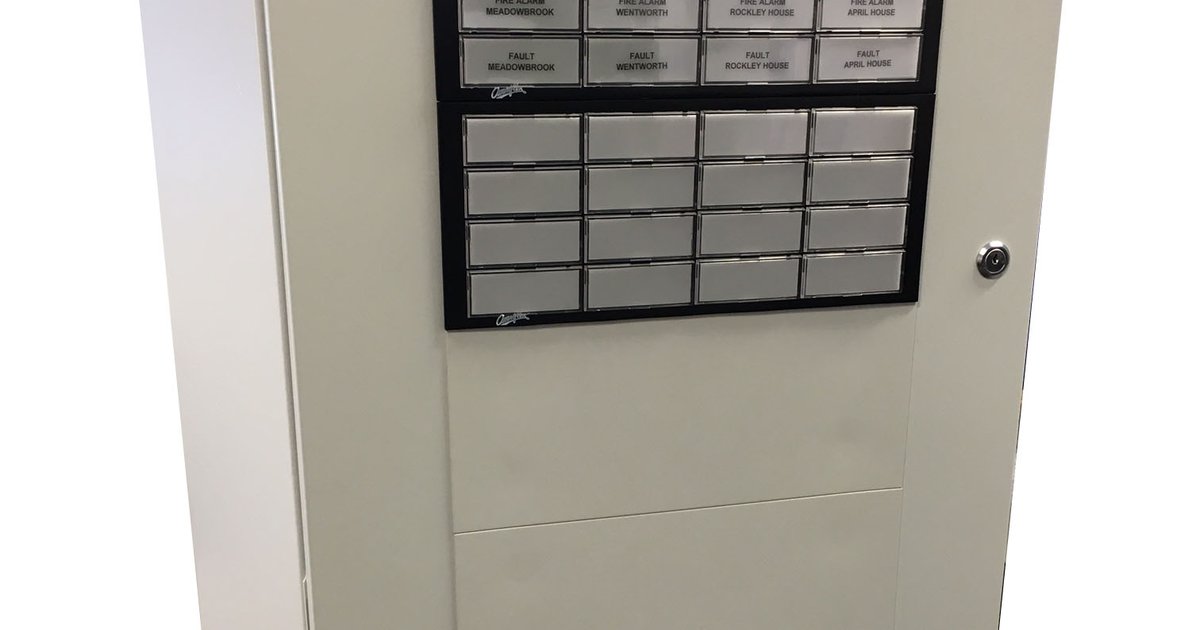
Most device logs are written for the developer who wrote the firmware and read by a technician standing in the rain. Here is what actually helps, and what to leave out.
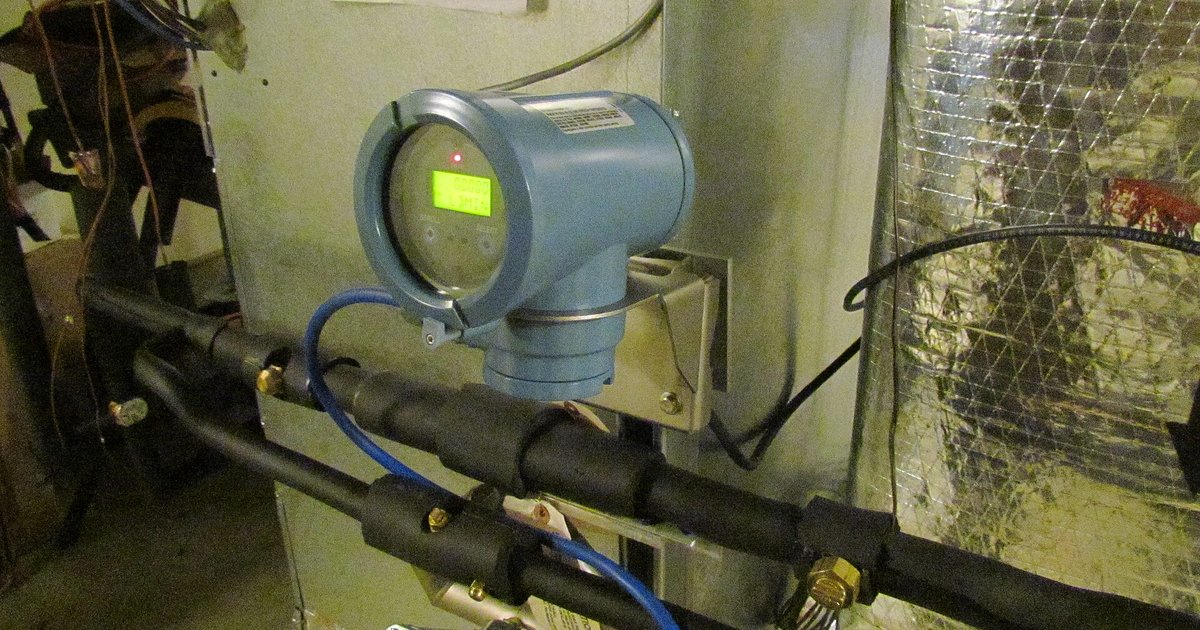
Measurement uncertainty is usually treated as a metrology footnote. Priced properly it is an economic quantity, and it decides how much instrument a given measurement deserves.
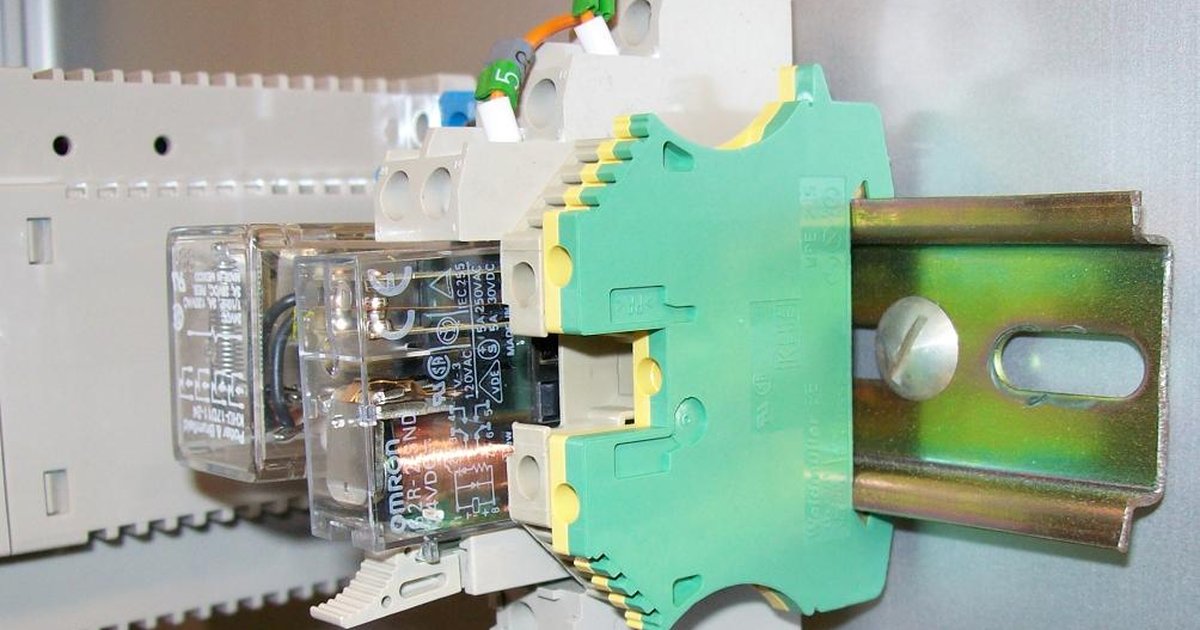
A serial gateway looks like a wire replacement and behaves like a protocol change. Timing, addressing and error handling all move, and each one has a way of biting late.
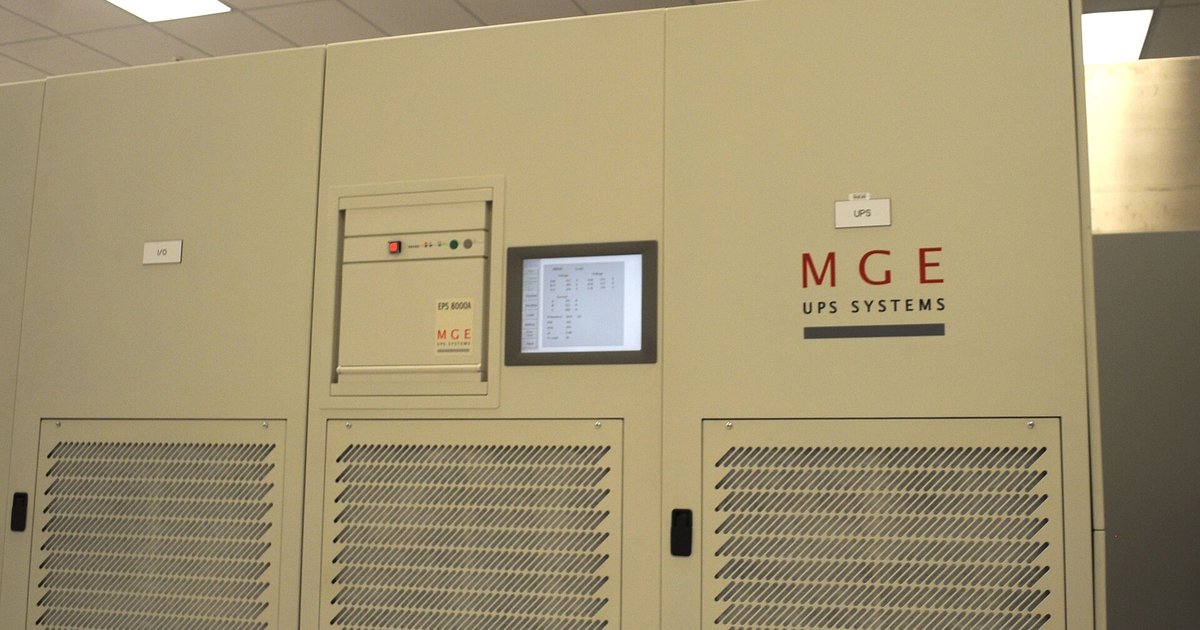
Most redundant systems have never failed over under the conditions that will occur. The common defects are shared dependencies, untested switchover and a standby that was silently dead.

Nearly every change order on an industrial installation traces back to something a two-hour site visit would have found. Here is the list that visit should cover.
The decision is usually made on the wrong axis — cost to first version — when the axis that determines the outcome is who maintains it in year four.
Annual calibration is a convention, not an answer. The interval should come from observed drift and from what a wrong reading costs — and most plants have the data to work it out.
A system built for one plant contains assumptions nobody wrote down. The second plant finds every one of them, and it is cheaper to find them on purpose.
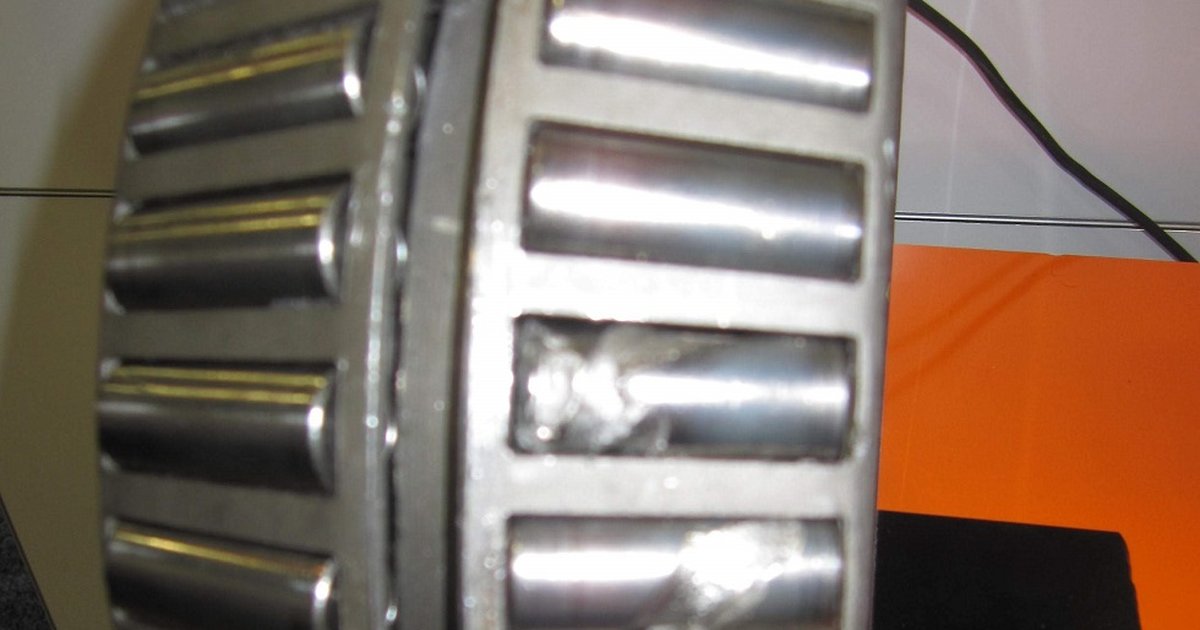
Vibration monitoring finds bearing faults, imbalance and misalignment well. It finds many other things badly. Knowing which is which decides whether the programme survives its first year.
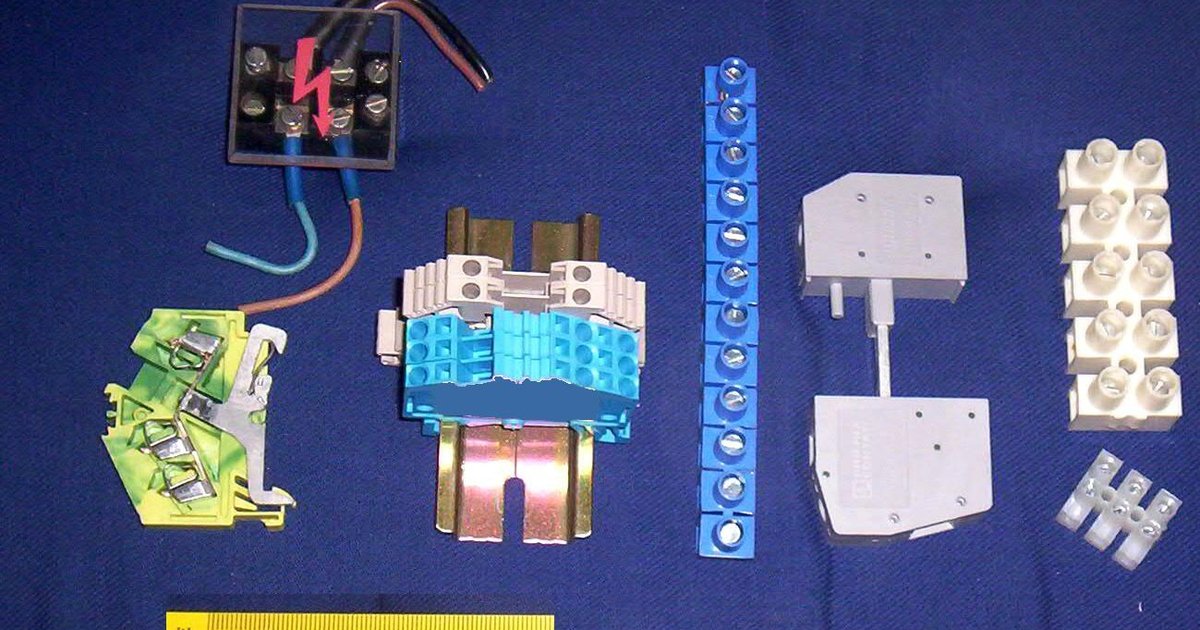
A naming convention is not bureaucracy. It is the difference between a historian you can query and forty thousand points nobody can find, and it is nearly impossible to fix later.
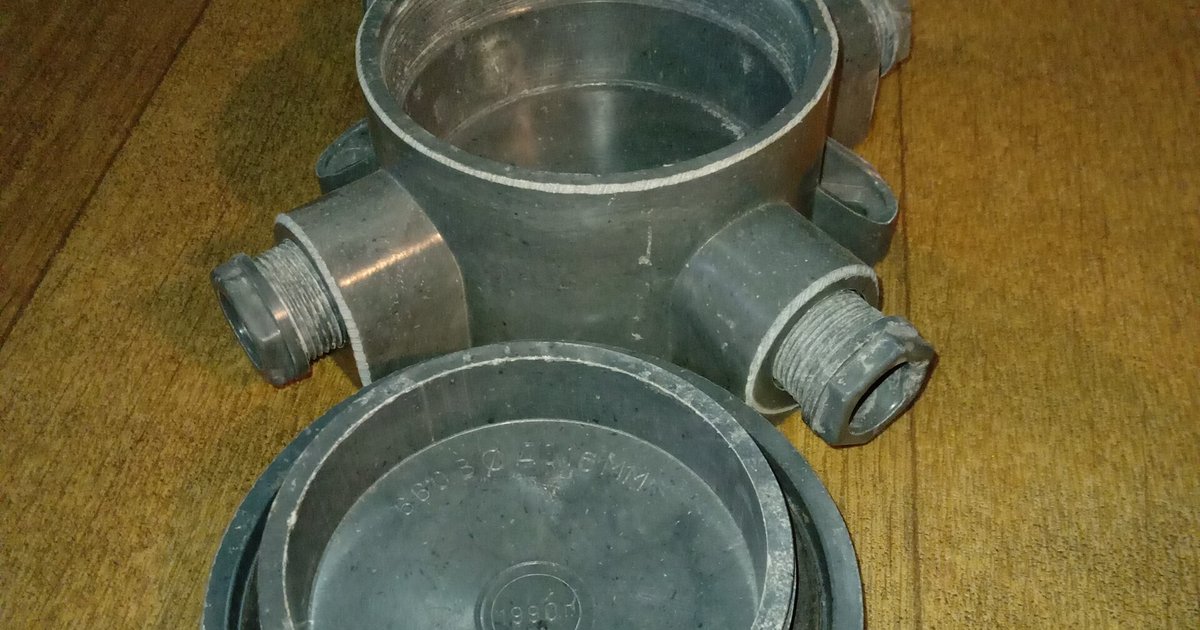
IP ratings describe a laboratory test, not a plant. The real failure mechanisms are condensation, thermal cycling, chemical attack and vibration — and the rating tells you almost nothing about any of them.
Tell us what you're building and we'll help you scope the first deployment.